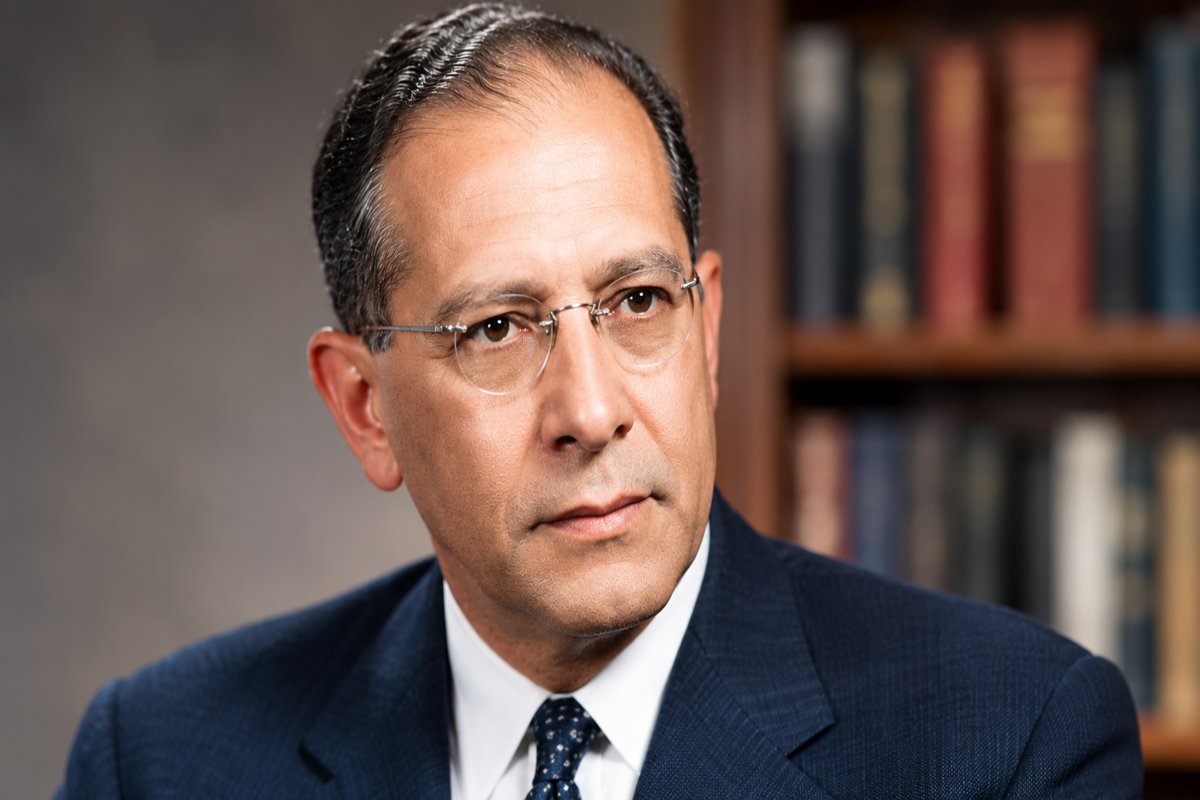
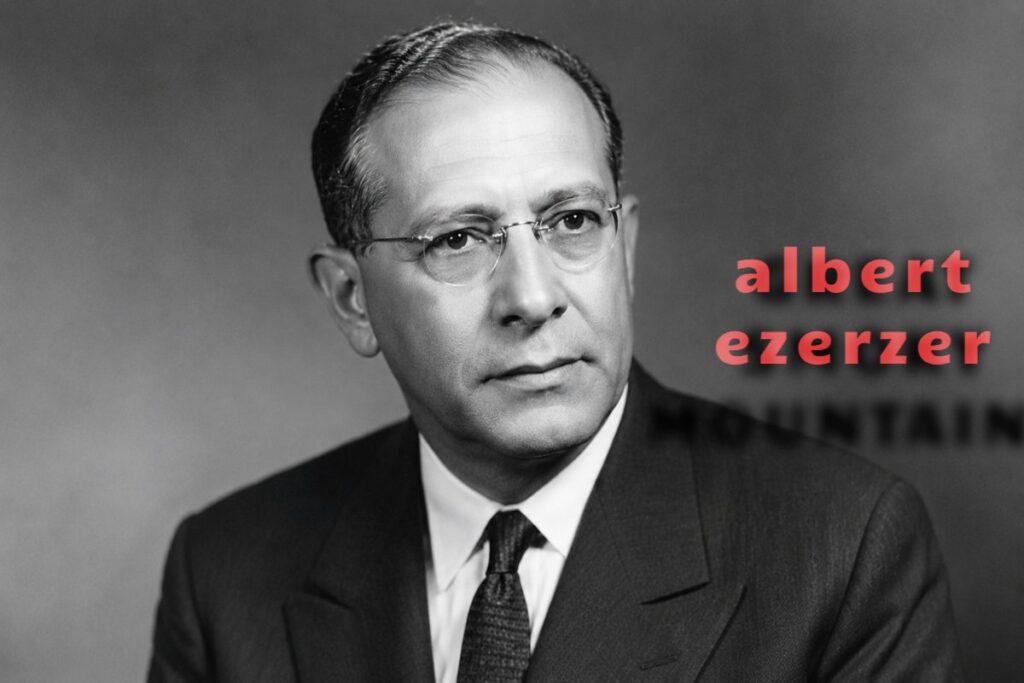
Albert Ezerzer: The Man Behind the Suits Tribute Nobody Saw Coming
If you watched the Season 4 premiere of Suits back in 2014, you probably remember that quiet moment at the very end. No dialogue. No music swell. Just a simple screen that read, “In Memory of Albert Ezerzer.”
For most viewers, that name meant nothing. There was no photo, no backstory, no explanation. And that single unanswered question sent thousands of fans straight to Google, trying to figure out who this person actually was.
So who was Albert Ezerzer, really? He wasn’t an actor. He never delivered a single line on screen. But his story says a lot about the people who keep the entertainment industry running while staying almost completely invisible.
Early Life: A Man Who Left Very Few Traces
Albert Ezerzer was born on January 31, 1959, in Los Angeles, California. That’s about all that’s confirmed with any real certainty.
There’s no public record of his parents, his siblings, his schooling, or what his childhood looked like. Unlike actors or directors who often sit for interviews about their upbringing, transportation crew members rarely get asked those questions. Their work happens off camera, and their personal lives usually stay that way too.
This isn’t unusual in Hollywood. According to industry labor data, roughly 400,000 people work behind the scenes in US film and television production each year, and the vast majority never appear in a single article, interview, or profile piece. Albert was one of them, at least until 2014.
How He Got Into the Film Industry
Albert’s entry into entertainment goes back to 1993, when he worked as a driver on the drama film Family Pictures. It wasn’t glamorous work. Transportation department jobs rarely are. But it’s essential.
A transportation coordinator or driver on a film set is responsible for:
- Getting cast and crew safely to and from locations, sometimes multiple times a day
- Coordinating vehicle schedules around unpredictable shoot times
- Managing equipment transport so gear arrives on time and undamaged
- Handling last minute location changes without disrupting the shooting schedule
- Working closely with production managers to keep the entire operation on budget and on time
It sounds simple on paper. In practice, a single missed pickup or traffic delay can cost a production thousands of dollars in wasted crew hours. That pressure is constant, and it’s a big reason why reliable transportation staff become genuinely valued by the people they work with.
Building a Career, One Set at a Time
Over the following two decades, Albert steadily worked his way through a string of film and television productions. His filmography includes:
- Tart (2001)
- Interstate 60: Episodes of the Road (2002)
- Covert One: The Hades Factor (2006)
- Anne of Green Gables: A New Beginning (2008)
- Stir of Echoes: The Homecoming
None of these are the kind of blockbuster titles that make headlines. But together, they show a working professional who kept getting hired, which in an industry built on referrals and reputation, says more than any award ever could.
His most recognized role came later, when he joined the transportation department for Suits, the legal drama that ran from 2011 to 2019. Albert worked on the show for its first three seasons, helping move cast, crew, and gear around some of Suits’ most demanding shoots.
The Suits Connection
Here’s where his story becomes more than just a filmography.
Albert Ezerzer passed away on May 9, 2014, at the age of 55. The most commonly cited cause is a ruptured aortic aneurysm, a serious medical emergency where the wall of the aorta tears and causes rapid internal bleeding. It’s a condition that can strike suddenly, even in people who otherwise appear healthy, and it remains one of the more dangerous vascular emergencies in modern medicine.
His death came just over a month before the Season 4 premiere of Suits aired on June 11, 2014. Instead of letting the moment pass quietly, the show’s creators chose to close out that premiere episode with a full screen tribute. Series creator Aaron Korsh later described Albert as a beloved member of the Suits family, which gives some real weight to why the show made that choice.
It was a small gesture in terms of screen time, maybe five seconds total. But it sparked a massive wave of curiosity. Search interest in his name spiked almost overnight, and to this day, “who is Albert Ezerzer” remains one of the more searched questions tied to the Suits franchise.
The D.B. Woodside Mix Up
Here’s where things got messy online.
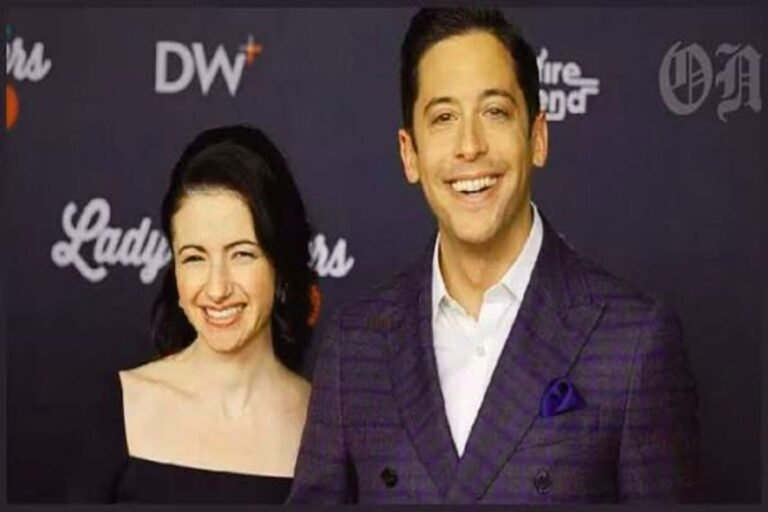
Because there were so few public photos of Albert Ezerzer, people searching for images of him kept stumbling onto pictures of actor D.B. Woodside instead. Woodside joined the Suits cast in that same Season 4, playing Jeff Malone for 16 episodes between 2014 and 2019.
The timing lined up just enough to fuel confusion. Social media posts started circulating side by side photo comparisons, claiming the two men looked alike or were somehow connected. Some posts went further, suggesting they might even be related.
None of it holds up. Here’s a quick side by side to clear things up:
| Detail | Albert Ezerzer | D.B. Woodside |
| Born | January 31, 1959, Los Angeles | July 25, 1969, Queens, New York |
| Role | Transportation crew member | Actor |
| Suits connection | Behind the scenes, Seasons 1 to 3 | On screen, joined Season 4 |
| Status | Passed away May 9, 2014 | Still active in the industry |
| Known for | Interstate 60, Covert One, Tart | 24, Parenthood, Lucifer |
They worked on the same show. That’s the entire connection. One was in front of the camera, the other kept things running behind it, and their paths never actually crossed on screen.
Why This Story Resonates With So Many People
There’s something genuinely moving about a TV show pausing its own storyline to honor a crew member most viewers had never heard of. It’s rare. Most productions don’t do this, and when they do, it tends to stick with people.
A few reasons this particular tribute struck such a nerve:
- It humanized the invisible workforce behind every show people love watching
- It came from the show’s creators, not a press release or PR team
- The mystery around who he was kept the story alive online for years afterward
- It highlighted just how little the public actually knows about crew members compared to actors
- It sparked ongoing conversations about recognizing behind the scenes talent industry wide
According to a 2023 industry workforce report, below the line crew, meaning everyone who isn’t an actor, director, or producer, makes up close to 70 percent of total production staff on a typical scripted TV show. Yet these are the people who almost never get public recognition. Albert’s tribute became one of the more visible exceptions to that rule.
What We Know About His Personal Life
Not much, honestly, and that’s worth being upfront about.
Some sources mention a wife named Rachel Ezerzer, though there’s limited verified detail available about their relationship or family life. Reports about children are inconsistent, and no reliable source confirms details either way. This is fairly typical for someone who spent his career working behind the scenes rather than in the public eye.
What people who worked alongside him do consistently describe is someone punctual, dependable, and easy to work with. Several accounts mention he was often the first to arrive on set and among the last to leave, the kind of quiet reliability that earns respect in an industry where reputations are built through word of mouth rather than headlines.
The Bigger Picture: Recognizing Crew Work in Hollywood
Albert Ezerzer’s story taps into something bigger than one person. It’s a reminder of how many people it actually takes to make a single episode of television.
Consider this. A one hour drama episode can involve anywhere from 50 to 150 crew members depending on the production’s scale, according to standard industry staffing estimates. Transportation, catering, lighting, sound, set construction, none of it happens without dozens of people whose names never appear in the opening credits.
Albert spent over 20 years as part of that system. He wasn’t chasing recognition. He was simply good at his job, and for a brief moment, the industry chose to acknowledge that in a way that reached far beyond the set.
There’s also a financial reality worth mentioning. Transportation crew roles typically pay between $40,000 and $60,000 a year, depending on location, experience, and the size of the production, according to standard industry pay estimates. Compare that to the multi million dollar salaries of leading actors on a hit show, and the gap says a lot about how unevenly recognition and compensation are spread across a production. Albert’s tribute stands out partly because it pushed against that imbalance, even if only for a moment.
What His Story Teaches Us About Hollywood’s Hidden Workforce
It’s easy to watch a show and only notice the people you see. The actors deliver the lines, the directors get credited for the vision, and audiences build emotional connections with performances they watch week after week. What’s much harder to notice is everything happening just outside the frame.
Every scene you watch involves a chain of decisions and logistics that never make it to screen. Someone booked the location. Someone drove the equipment there. Someone made sure the right people showed up at the right time, in the right place, with everything they needed. Albert was part of that chain for over two decades, working across genres, budgets, and production teams, without ever needing the spotlight to feel like his work mattered.
That’s really the lesson in his story. Recognition in this industry rarely follows effort in a predictable way. Some of the most consistent, reliable people spend entire careers just outside the public eye. Albert Ezerzer happened to get one moment where that changed, and it’s clear from how people responded that it was well deserved.
Frequently Asked Questions
Was Albert Ezerzer an actor?
No. He worked in the transportation department on film and TV sets. He never appeared on screen as a performer.
How did Albert Ezerzer die?
He passed away on May 9, 2014, at age 55. The most commonly cited cause is a ruptured aortic aneurysm, a sudden and serious medical condition.
Are Albert Ezerzer and D.B. Woodside the same person?
No. They are two completely different people who happened to both be connected to Suits, one behind the camera and one on screen. They are not related.
Why did Suits dedicate a tribute to him?
Albert worked on the transportation crew for Suits’ first three seasons. After his passing, the show’s creators honored him with an on screen tribute during the Season 4 premiere as a mark of respect from the cast and crew.
What movies did Albert Ezerzer work on?
His credits include Tart, Interstate 60, Covert One: The Hades Factor, Anne of Green Gables: A New Beginning, and Stir of Echoes: The Homecoming, among others.
Does anyone know his net worth?
Not with any real accuracy. Estimates based on typical transportation department salaries in the industry suggest a modest income, generally in the range that behind the scenes crew members earn, though nothing official has ever been confirmed.
Final Thoughts
Albert Ezerzer never set out to become a name people search for online. He showed up, did his job well for two decades, and built the kind of quiet reputation that earns respect without ever asking for attention.
His story is really a stand in for thousands of others just like him, the drivers, coordinators, and crew members who make television and film possible every single day without ever stepping in front of a camera. The Suits tribute gave him a rare moment in the spotlight, and in doing so, it reminded a lot of viewers just how much unseen work goes into the shows they love.
Sometimes the most meaningful recognition isn’t a red carpet or an award speech. Sometimes it’s five quiet seconds on screen that make people stop and ask, who was this person, and why did they matter so much to the people they worked with.